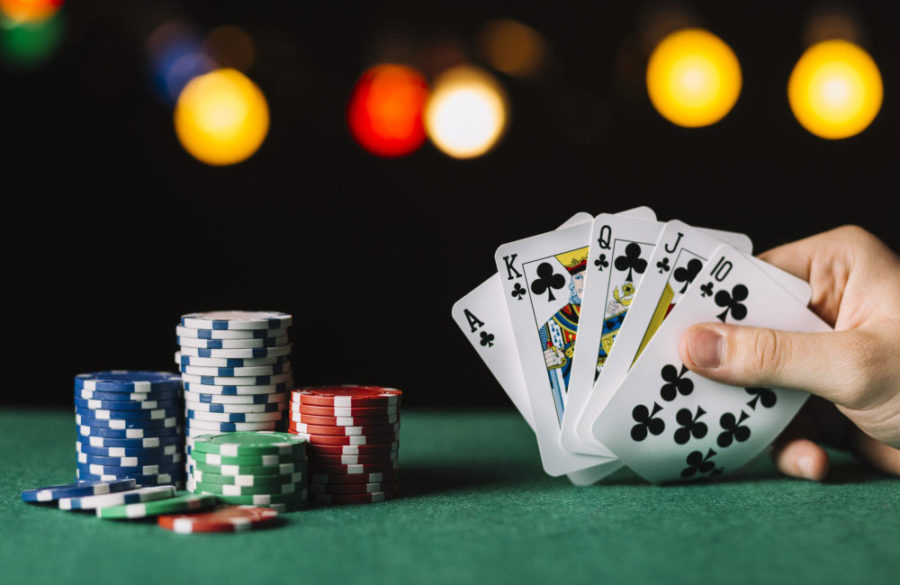
The Influence of Luck in Gambling
Luck is often described as a random chance, an unpredictable force that can make or break a player’s experience in a casino. In the realm of gambling, this element of serendipity is what distinguishes the outcomes of various games. Whether it’s the roll of the dice, the turn of a card, or the spin of a wheel, the inherent unpredictability can lead to significant wins or devastating losses. Players looking to explore more about this phenomenon can visit aboutroundabout.com for insights, while skill and strategy certainly play a role, they can be overshadowed by the influence of luck in determining the final result of any game.

For instance, consider a game of poker, where players utilize strategies to outsmart their opponents. However, despite a player’s expertise and calculated decisions, luck can intervene at critical moments, altering the game’s flow. A well-timed card can dramatically change the standings, allowing an underdog to rise to the top. This unpredictability is what keeps players returning, as the excitement surrounding potential fortune is a powerful motivator. The tension created by the possibility of unexpected success adds layers to the gameplay experience.
Furthermore, many casino games are designed around chance, with odds calculated to reflect the likelihood of winning based solely on luck. Slot machines are a prime example, where players pull the lever with no control over the outcome; their success relies entirely on the random number generator behind the scenes. This blend of chance and thrill creates an allure that continues to captivate both novice and seasoned gamblers alike. The simple yet captivating nature of these games ensures that the element of luck remains a central theme in the casino experience.
The Psychology of Luck and Risk-Taking
The psychological aspect of luck also plays a crucial role in how players engage with casino games. The belief in luck can significantly impact a gambler’s mindset, leading to behaviors that enhance or impede their success. For many, the thrill of potentially winning big can create a euphoric state, prompting risk-taking behaviors that might not occur in more calculated environments. This psychological rush is often fueled by instances of luck, which reinforce the belief that good fortune can strike at any moment, encouraging players to take more chances than they typically would.
Moreover, players often employ superstitions as they attempt to influence their luck. Rituals such as wearing lucky clothing, carrying specific tokens, or engaging in particular behaviors before placing bets are common among gamblers. These practices reflect a psychological need to connect with something greater than themselves, as it gives them a sense of control in a game that is inherently unpredictable. The psychology of luck becomes a double-edged sword; while it can enhance the gaming experience by adding excitement, it can also lead to irrational decision-making. This mix of hope and superstition can create a volatile atmosphere in which players oscillate between confidence and despair.
This interplay between luck and psychology is further complicated by the phenomenon of losing streaks. When a player experiences a series of losses, the desire to chase those losses can lead to reckless gambling behavior. The belief that luck is bound to change can create a cycle of risk-taking that often results in deeper financial woes. Understanding this psychological relationship is crucial for anyone looking to navigate the casino landscape successfully. Being aware of one’s emotional state and the influence of luck can help in making more rational decisions, ultimately leading to a more enjoyable experience.
The Role of Skill vs. Luck in Various Games
In the casino environment, the balance between skill and luck varies widely depending on the type of game being played. Skill-based games, such as blackjack or poker, allow players to employ strategies to mitigate the role of luck. Here, experienced players can make informed decisions that enhance their chances of success, illustrating that skill can influence outcomes when paired with a sprinkle of luck. For example, knowing when to hit or stand in blackjack can significantly alter the odds; however, even the best strategies are futile if luck doesn’t favor the player. This creates an engaging tension where both luck and skill interplay, challenging players on multiple levels.
On the other hand, games like roulette and slots are predominantly based on luck, showcasing the unpredictable nature of chance. The outcomes are beyond the player’s control, emphasizing the randomness of luck. In these scenarios, players may rely solely on hope and gut feelings, driving home the idea that luck plays a dominant role. The excitement surrounding these games lies in the thrill of uncertainty and the possibility of a life-changing win. It is this unpredictability that attracts many players, creating an environment where each spin or roll holds the potential for a significant change in fortune.
The coexistence of skill and luck raises interesting discussions among players and gaming professionals alike. Many argue that while luck can initiate a win, skill drives long-term success in skill-heavy games. This duality keeps players engaged, as they navigate through luck-based moments while honing their skills, ultimately shaping their gambling experiences and influencing their overall success in the casino. By understanding the dynamics of skill versus luck, players can better strategize their approach to various games, enhancing both their enjoyment and potential success.
The Impact of Luck on Casino Revenue
The concept of luck extends beyond the players and deeply influences casino revenue. Casinos thrive on the unpredictability inherent in gambling, where players’ fortunes fluctuate wildly. This variability can lead to substantial profits for casinos, as lucky streaks can lead to high payouts, but also balanced by stretches of bad luck that keep the overall profits stable. The design of casino games inherently favors the house, allowing them to capitalize on the role of luck while managing the risk involved. By creating games that are exciting and unpredictable, casinos ensure that players remain engaged and willing to risk their money.
Moreover, the presence of luck in gambling creates a unique atmosphere that attracts visitors and encourages spending. The thrill of potentially hitting the jackpot keeps players drawn to the tables and machines, inviting persistent engagement. This dynamic keeps players hopeful, and as more people engage, the likelihood of larger payouts increases, creating excitement that can lead to more customers flocking to the establishment. The casino environment is carefully crafted to enhance the perception of luck, making players feel that their fortunes can change at any moment, which in turn drives additional revenue.
Ultimately, casinos invest heavily in marketing and operational strategies that highlight the role of luck. Promotions, bonuses, and jackpot opportunities are often designed around the idea that fortune can favor anyone, encouraging patrons to take a chance. This symbiotic relationship between luck and revenue generation ensures that both the player and the casino remain engaged in a cycle of risk, reward, and hopeful anticipation. Understanding how luck influences player behavior and spending can provide valuable insights for casino operators looking to optimize their business models.
Understanding Casino Culture and Luck
The culture surrounding casinos is heavily intertwined with the concept of luck. From the glamorous ambiance of high-stakes games to the casual socializing around slot machines, luck is a narrative that permeates the gambling experience. This cultural significance draws players from all walks of life, each with their own stories, hopes, and aspirations tied to luck. The thrill of chance is often romanticized, making it an integral aspect of the gambling lifestyle. This culture fosters a community where stories of luck are shared, celebrated, and sometimes mourned, creating a unique bond among players.
In many ways, luck serves as a social lubricant within the casino environment. Players bond over shared experiences of winning and losing, exchanging tales of fortunate hits or near-misses that aggravate the tension and excitement of the gaming experience. Celebrating luck, whether through a jubilant shout when hitting the jackpot or commiserating over a bad beat, fosters a sense of community and belonging among players. The camaraderie built through these shared experiences can enhance the enjoyment of the casino atmosphere, making it more than just a place to gamble.
Websites and communities dedicated to sharing experiences further amplify this culture, offering platforms for players to connect and share their luck-related stories. Online forums and social media amplify the conversation, encouraging individuals to revel in their encounters with luck, whether fortunate or unfortunate. This cultural narrative around luck reinforces the allure of casinos, ensuring that they remain vibrant and exciting spaces filled with unpredictable possibilities. The ongoing dialogue about luck keeps the spirit of gambling alive, attracting new players and maintaining the loyalty of seasoned veterans.